

Cập nhật: 01-01-1970 12:00:00 | Blogs about Vietnam | Lượt xem: 1251
Vietnam is a country deeply rooted in Buddhist traditions, and this spiritual heritage is beautifully reflected in its architecture. From the serene pagodas nestled amidst bustling cities to the ancient temples hidden in the countryside, this country offers a captivating journey through centuries of Buddhist influence. These sacred structures, with their intricate carvings, harmonious designs, and tranquil ambiance, are not just places of worship but also significant cultural and historical landmarks.
Here are 15 wonders of Vietnamese Buddhist architecture that will enrich your Vietnam tour:
The One Pillar Pagoda, or Chua Mot Cot, stands as one of Hanoi's most iconic and revered landmarks. Nestled near Hoan Kiem Lake in the heart of Vietnam’s capital, this historic pagoda is renowned for its distinctive architectural design and deep cultural significance. Constructed in 1049 during the reign of Emperor Ly Thai Tong, the pagoda's unique structure, a single wooden pillar rising from a square lotus-shaped base, symbolizes purity and harmony. Over the centuries, the One Pillar Pagoda has witnessed numerous historical events and undergone several restorations. Despite its challenges, it remains a testament to the resilience and enduring beauty of Vietnamese architecture and culture.
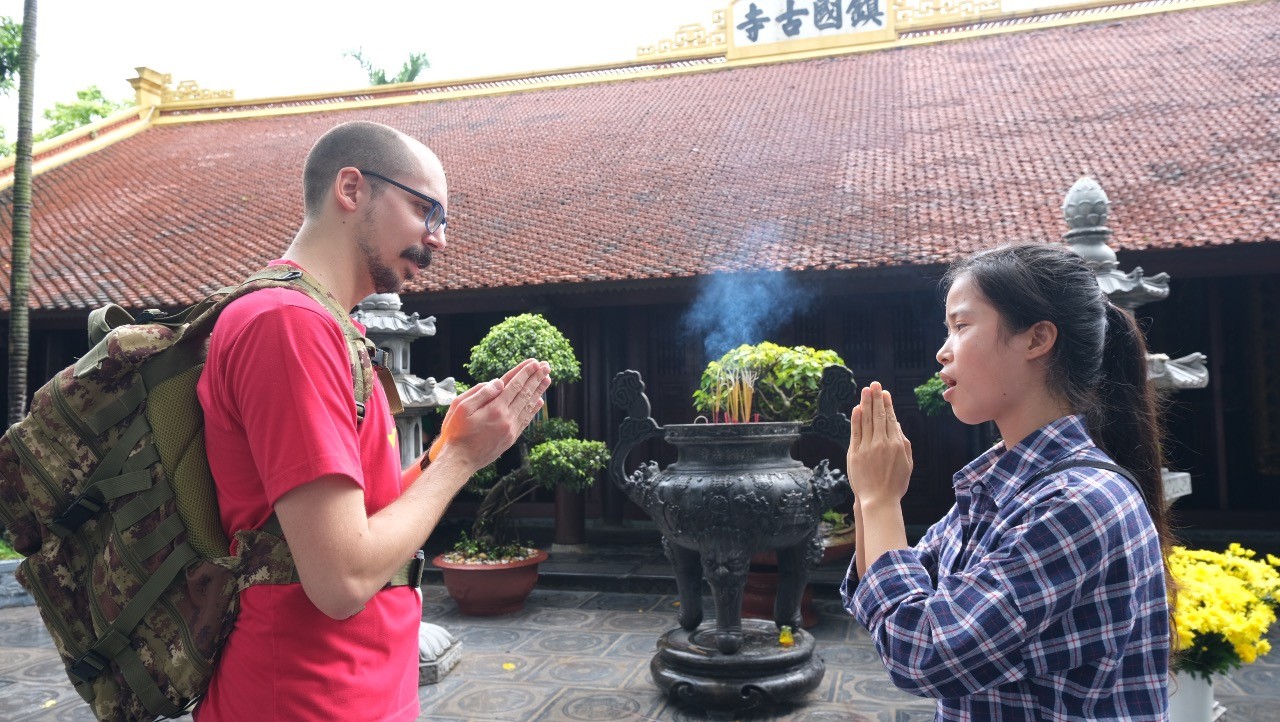
The Tran Quoc Pagoda stands as one of Hanoi's oldest and most cherished religious landmarks, embodying the rich history and spiritual heritage of Vietnam's capital. Located on the picturesque eastern shore of West Lake, this ancient pagoda is renowned for its serene setting and its striking architectural beauty. Founded in the 6th century during the reign of Emperor Ly Nam De, Tran Quoc Pagoda has long been a center of Buddhist worship and cultural significance. Its most distinctive feature is the iconic 11-story tower, which gracefully rises above the lake and is adorned with intricate carvings and traditional Vietnamese motifs. The pagoda's tranquil surroundings and historical atmosphere create a serene retreat from the vibrant city life of Hanoi.
Tay Phuong Pagoda is located in Thach That District, 33km from the Hanoi Old Quarter, where most tourists stay during their Vietnam Holiday. Constructed in 1794, Tau Phuong Pagoda comprises 3 main halls: the front, the middle, and the back halls stretching along a hill. Tay Phuong Pagoda in Hanoi is renowned for its valuable collection of 64 ancient wooden statues, which were made of the jackfruit tree. The skillfully handcrafted statues vividly depict each Buddha's gestures and facial expressions. Visitors can make a day trip to this pagoda and Duong Lam ancient village from the Hanoi city center.
Huong Pagoda, or Perfume Pagoda in Hanoi, has been said for years as the most beautiful pagoda in Vietnam. Constructed in the 15th century with natural materials such as wood, stones, and bricks, this pagoda is nestled harmoniously in nature, streams, and limestone mountains. Besides being a sacred place, this pagoda is crowded after the Vietnamese Lunar New Year, when locals go to the pagoda in the spring to pray for a peaceful year ahead. Visitors need to take a boat ride along Yen Stream, then walk up the steps passing by different temples and shrines. In the end of the route is the Huong Tich Cave.
Yen Tu Mountain, at 1,068m high, is a holy mountain in northern Vietnam. It's well-known as the place where Tran Nhan Tong King, a Vietnamese king in the 13th century, stayed and practiced Buddhism. It's the location that originated Zen Buddhism, a sect of Vietnamese Buddhism. To reach the Dong Pagoda or the Bronze Pagoda on the peak of this mountain, visitors need to hike up for around 3-4 hours to traverse a 6km forest path. Cable cars are available for those who are not able to hike that long.
Constructed in the 13th century, But Thap Pagoda has become a crucial Buddhist destination in Bac Ninh Province and Vietnam. This pagoda boasts an impressive, exquisite architecture. Visiting this pagoda, you will find a 13m high tower that resembles a pen, which represents enlightenment, the octagonal wooden tower Cuu Pham Lien Hoa (or nine-level lotus) at 8m high, which showcases a stage in enlightenment. This pagoda is a heritage of the Vietnamese Buddhist religion.
The Thien Mu Pagoda, or Pagoda of the Celestial Lady, is a breathtaking symbol of Hue’s spiritual and historical heritage. Perched on the banks of the Perfume River, this ancient pagoda is one of Vietnam’s most revered religious sites. Built in 1601 during the Nguyen Dynasty, it is renowned for its majestic seven-story tower and its serene, picturesque setting. The pagoda’s distinctive tower, rising 21 meters high, offers panoramic views of the river and the surrounding landscape, making it a popular spot for both spiritual reflection and photography. With its rich history and architectural splendor, Thien Mu Pagoda has long been a focal point of Vietnamese Buddhism.
Bich Dong Pagoda is among the highlighted places to see in Ninh Binh Province. This cave pagoda was built in the 15th century and was named "Bich Dong" or emerald green cave by Trinh Sam Lord in 1774. The pagoda includes 3 halls, respectively located at the foot, the middle, and the peak of Ngu Nhac limestone mountain. Its oriental architecture with curved roofs and traditional carvings makes this serene pagoda a fabulous place to visit in Vietnam.
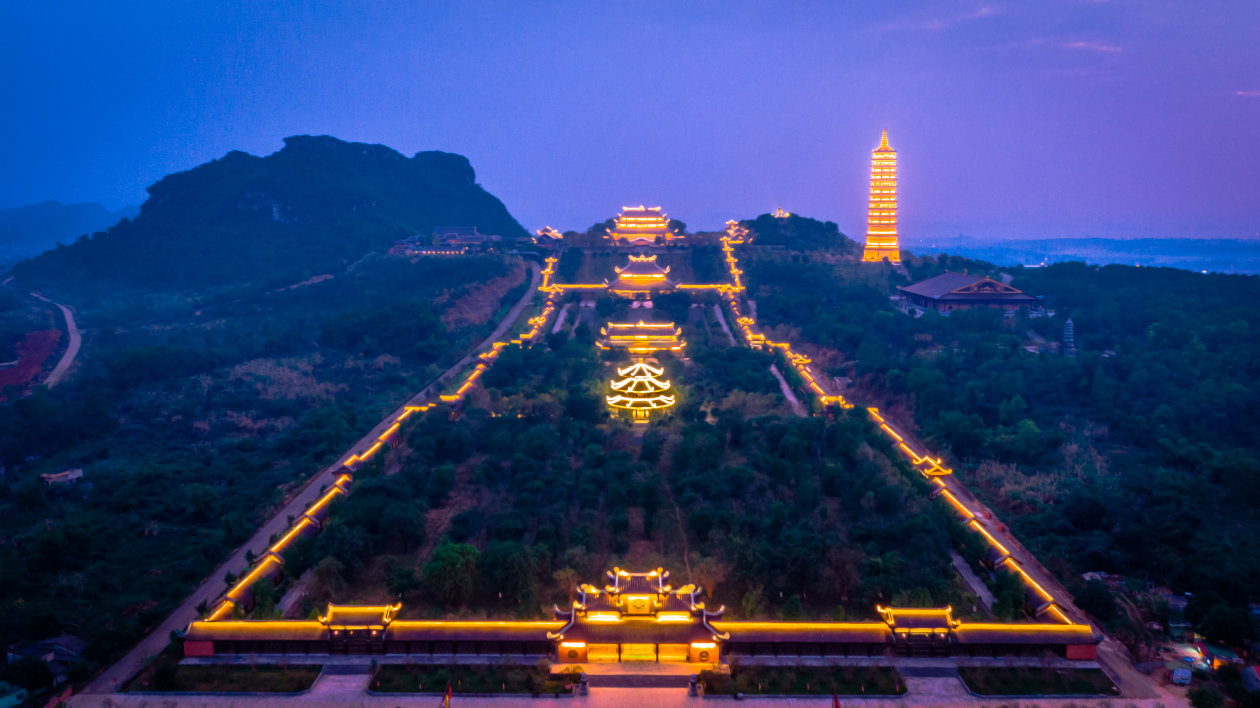
The Bai Dinh Pagoda is a stunning embodiment of Vietnam's modern Buddhist devotion and architectural grandeur, located in the scenic Ninh Binh Province. As one of the largest and most impressive Buddhist complexes in Vietnam, Bai Dinh Pagoda is renowned for its expansive grounds, grandiose design, and significant cultural importance. The pagoda complex, which was completed in 2010, stands as a testament to contemporary Buddhist architecture. It features a series of remarkable structures and offers breathtaking views of the surrounding countryside.
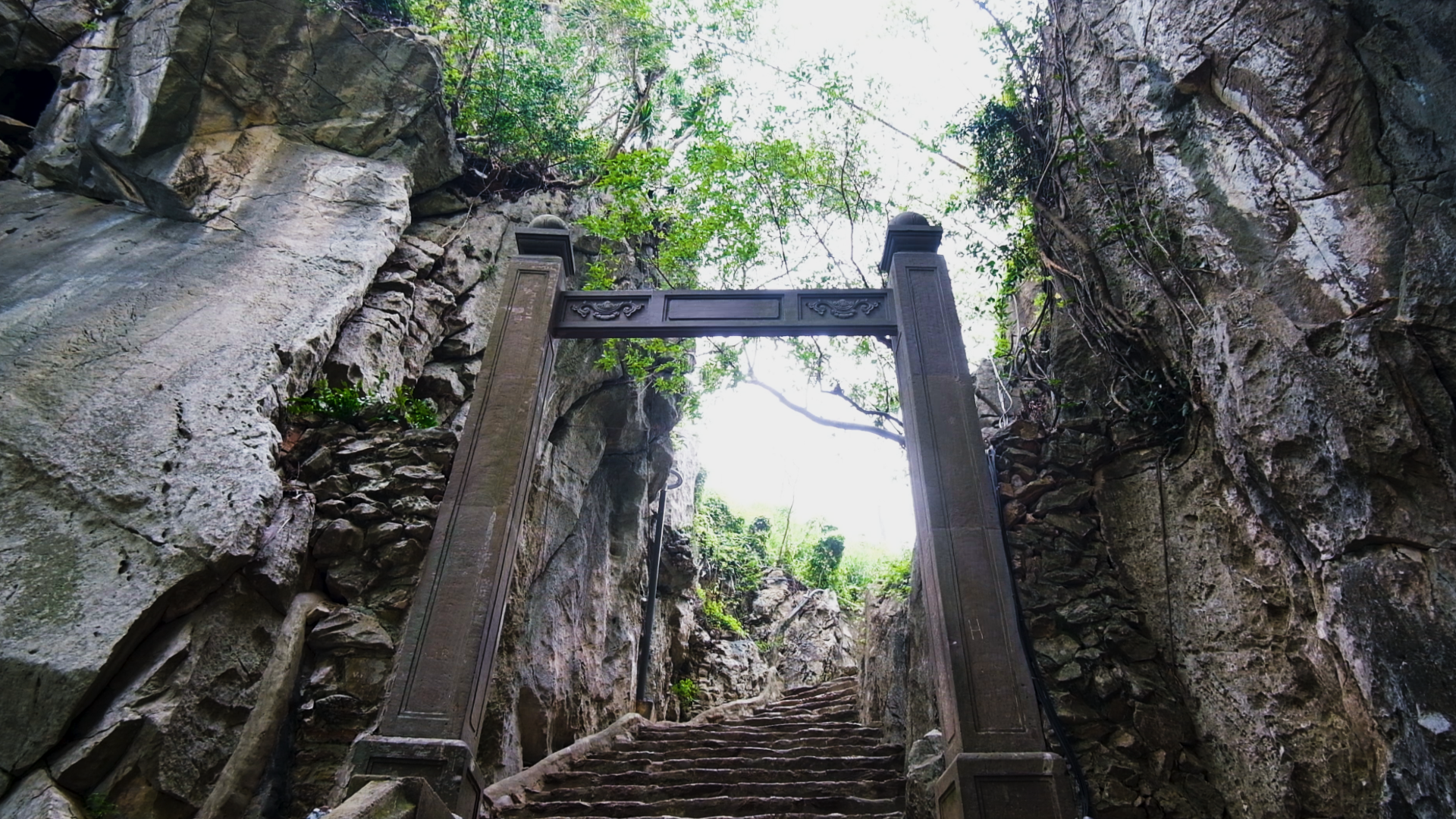
The Linh Ung Pagoda in Da Nang is a majestic and serene spiritual haven nestled on the scenic Ba Na Hills. Known for its awe-inspiring architecture and breathtaking views, this pagoda is a prominent landmark that attracts both pilgrims and tourists alike. One of the most striking features of Linh Ung Pagoda is its towering statue of the Buddha, which stands an impressive 67 meters high, making it one of the tallest Buddha statues in Vietnam. This colossal figure, set against the lush backdrop of the Ba Na Hills, offers a sense of peace and reverence, inviting visitors to reflect and find tranquility.
Founded in 1744, the Giac Lam Pagoda is one of Ho Chi Minh City's oldest and most revered Buddhist temples. Located in the bustling Tan Binh District, this ancient pagoda stands as a serene oasis amidst the urban hustle and is celebrated for its traditional Vietnamese architecture and tranquil atmosphere. The temple's intricate wood carvings, colorful murals, and historical artifacts reflect its rich heritage and the enduring significance of Buddhism in southern Vietnam. Giac Lam Pagoda serves not only as a place of worship but also as a cultural landmark that bridges the past and present.
The Vinh Nghiem Pagoda stands as a prominent and modern symbol of Buddhist devotion in Ho Chi Minh City. Located in District 3, this expansive and architecturally impressive temple complex is one of the city’s major centers of Buddhist practice and cultural activities. Completed in 1971, Vinh Nghiem Pagoda is known for its striking blend of traditional and contemporary design elements. The pagoda's serene atmosphere, coupled with its beautifully landscaped gardens and tranquil courtyards, provides a peaceful retreat from the city's bustling pace.
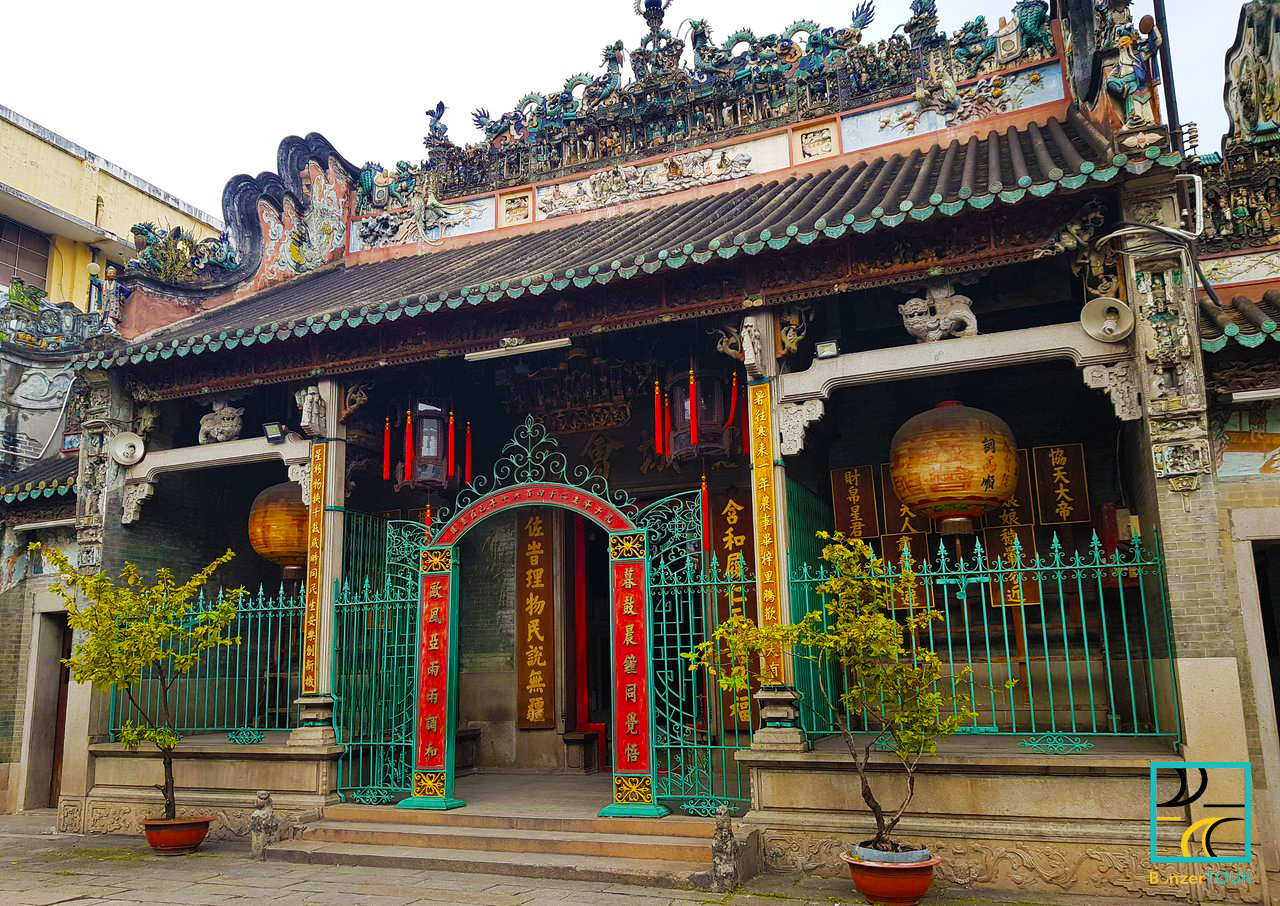
Thien Hau Pagoda is a vibrant and culturally rich landmark located in the heart of Cholon, Ho Chi Minh City's historic Chinatown district. Dedicated to Thien Hau, the revered goddess of the sea, this pagoda is a significant place of worship and cultural heritage for the local Chinese-Vietnamese community. Founded in the 19th century, Thien Hau Pagoda is known for its traditional Chinese architectural style, featuring intricately decorated red and gold facades, ornate roof carvings, and serene courtyards. The pagoda's interior is adorned with vivid murals, incense burners, and statues of Thien Hau, offering a glimpse into the spiritual and artistic traditions of the region.
Among the largest and most popular Monasteries in Vietnam, Truc Lam Monastery is situated on Phuong Hoang Mountain, 5km south of Da Lat City. The peaceful landscape and moderate weather make Truc Lam an ideal place for Buddhist practice.

Essentials Tours - 14 days 13 nights

Essentials Tours - 12 days 11 nights

Essentials Tours - 15 days 14 nights


