

Updated: 27-10-2026 | Blogs about Vietnam | Views: 1288
Vietnam is a country where the past feels remarkably alive. From the ancient, moss-covered stone temples of forgotten empires to the deeply moving remnants of 20th-century conflicts, its landscapes tell stories of incredible resilience, artistic brilliance, and cultural evolution.
For travelers who want to see more than just beautiful beaches, embarking on a comprehensive Vietnam historical tour offers an immersive look into a nation shaped by dynastic struggles, colonial encounters, and an unbreakable spirit. If you are planning a Vietnam culture & History tour, these ten essential historical locations deserve a definitive spot on your itinerary.
Vietnam's historical landscape is as diverse as it is deep. By taking the time to explore these ancient landmarks, royal capitals, and modern monuments, you will gain a profound appreciation for the rich cultural tapestry and historic journeys that continue to shape this beautiful country.
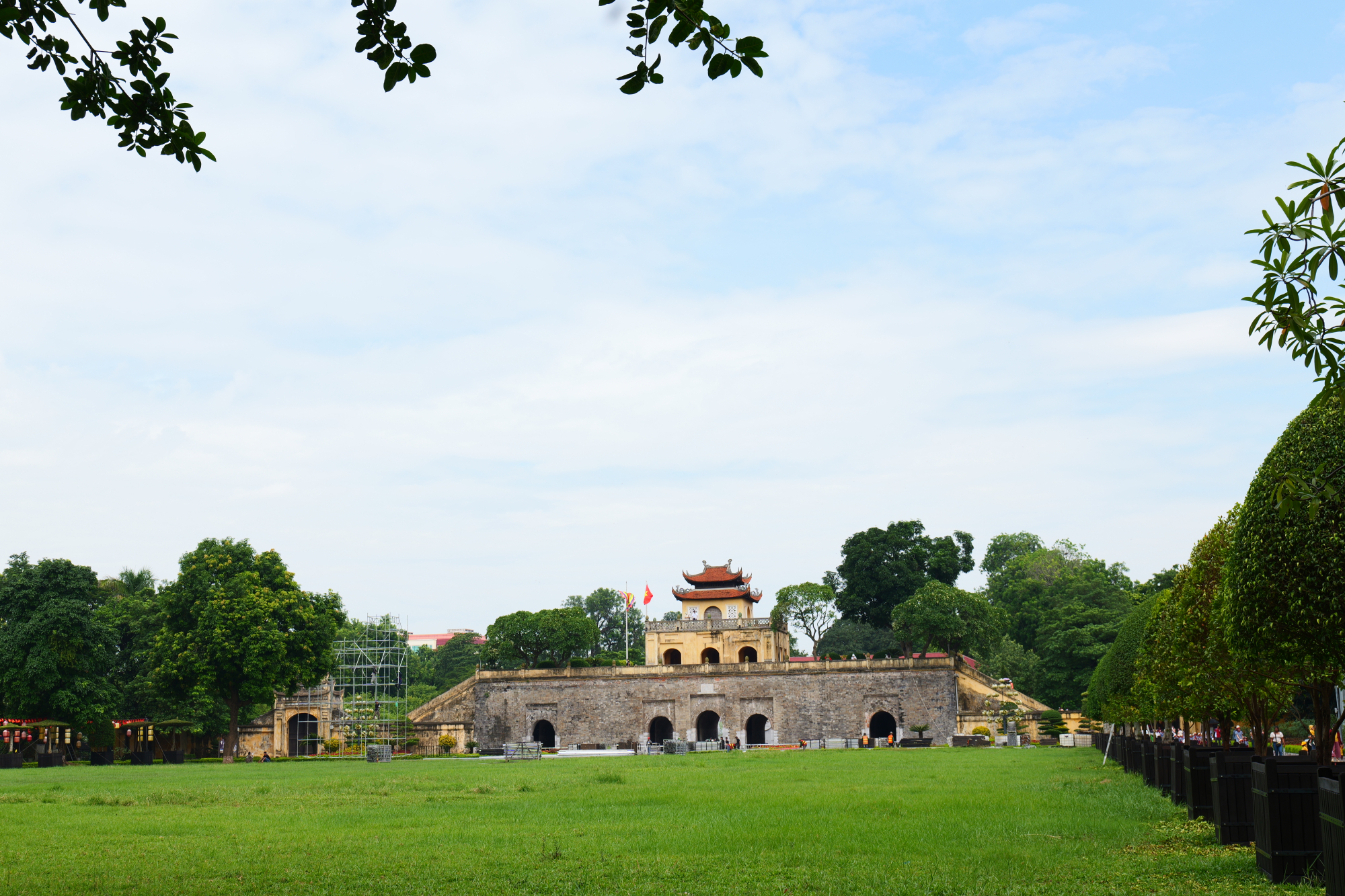
Located in the absolute heart of the capital city, the Imperial Citadel of Thang Long stands as a monumental symbol of Vietnam's long-standing political power. Built in the 11th century by the Ly Dynasty, this expansive complex served as the center of regional governance for nearly thirteen uninterrupted centuries.
Walking through the ancient gates, you can physically see the distinct architectural layers left behind by successive ruling families, including the Ly, Tran, and Le dynasties. Major highlights within the UNESCO World Heritage site include:
The Doan Mon Gate: The imposing southern entrance that led directly to the forbidden areas of the royal family.
The Kinh Thien Palace Foundation: Guarded by expertly carved stone dragons dating back to the 15th century.
The D67 Underground Bunker: A fascinating contrast to the ancient ruins, this cold war-era bunker hidden beneath the gardens served as the high military command headquarters during the resistance wars of the mid-20th century.
Situated right on the border of what was once the Demilitarized Zone (DMZ) during the Vietnam War, the Vinh Moc Tunnels stand as an incredible monument to human survival. Unlike the tactical combat tunnels found further south, Vinh Moc was intentionally constructed as an underground bomb shelter to protect entire civilian families from relentless aerial bombardments.
Between 1965 and 1972, the villagers of Vinh Moc dug a massive subterranean network out of red clay soil, extending across three distinct levels deep into the earth. The engineering is remarkably sophisticated: the deepest level sits nearly 30 meters below the surface, and the entire system was designed with effective ventilation shafts that faced the nearby sea.
For several years, an entire village community of around 600 people moved their lives completely underground. As you walk through these preserved clay corridors today, you can see the precise locations of:
Tiny family living quarters: Small alcoves cut directly into the tunnel walls where families slept.
A subterranean maternity ward: Where 17 children were safely born into the world completely underground.
Community spaces: Including a large meeting hall, a clinic, and bomb shelters that kept the community alive through intense military conflicts.
Heading south into the dramatic, mist-shrouded limestone landscapes of Ninh Binh, you will find Hoa Lu. Long before Hanoi claimed the mantle, this natural rock fortress served as the capital of Vietnam during the 10th and 11th centuries under the Dinh and Early Le dynasties.
Surrounded by steep mountain cliffs that acted as towering, natural defensive walls, Hoa Lu played a crucial role in safeguarding the newly independent kingdom of Dai Co Viet from northern invasions. While the grand, original palaces have long since disappeared into the earth, the site features beautifully restored temples dedicated to King Dinh Tien Hoang and King Le Dai Hanh. Visiting Hoa Lu offers a rare window into a raw, formative era of Vietnamese independence, making it an irreplaceable stop on any thorough northern routing.
For travelers seeking off-the-beaten-path historical treasures, the Citadel of the Ho Dynasty in Thanh Hoa province is an absolute must-visit. Built in 1400 by Ho Quy Ly according to strict feng shui principles, this unique fortress is completely constructed from massive, unmortared green limestone blocks.
What makes this UNESCO World Heritage site globally unique is its engineering. Some of these stone blocks weigh over twenty tons, yet they were precisely cut, transported, and stacked without a single drop of mortar. The citadel was only used as a capital for a very brief period, but its colossal stone gates still stand tall in the middle of quiet, green rice fields, serving as an atmospheric reminder of ancient Southeast Asian architecture and defensive design.

No historical exploration of Central Vietnam is complete without visiting Hue, the political, cultural, and spiritual heart of the Nguyen Dynasty. Ruling from 1802 until 1945, the Nguyen emperors constructed an immense imperial capital along the banks of the winding Perfume River.
At the core of this vast UNESCO complex is the Imperial City, a massive stone fortress enclosed by two-kilometer-long walls and deep moats. Within its interior sits the Forbidden Purple City, an exclusive sanctuary that was once reserved solely for the emperor, his queens, and his private attendants.
Beyond the palace walls, the surrounding countryside is dotted with spectacular, highly individualized royal tombs. The tomb of Emperor Minh Mang reflects a strict, symmetrical Confucian design nestled in natural lakes, while the tomb of Emperor Khai Dinh features an opulent blend of traditional Vietnamese architecture and French colonial design, completely decorated with intricate glass and ceramic mosaics.
A short drive down the coast brings you to Hoi An, a remarkably well-preserved international trading port that bustled with commerce from the 15th to the 19th centuries. Merchants from Japan, China, India, and Europe settled along the narrow banks of the Thu Bon River, creating a unique architectural and cultural melting pot.
Wandering through the pedestrian-only streets of the old town, you can still see the original yellow-washed wooden shophouses, historic family chapels, and grand Chinese assembly halls. At night, the entire town turns off its modern electrical lights and is illuminated solely by thousands of glowing, silk lanterns, transporting you directly back to the golden age of maritime trade.
Skip the stress of coordinating multiple destinations. Let our local boutique experts handle your transport, guides, and accommodations with our fully customizable packages. Deepen your journey with our signature Vietnam Culture and History Tour 13 days to explore the ancient houses of Duong Lam, walk the historic ramparts of the Hue Imperial Citadel, descend into the Vinh Moc tunnels, and experience the timeless heritage of Hoi An Ancient Town.
View Our Vietnam Culture & History Tour Packages →
Tucked away in a lush, green valley guarded by the sacred Cat’s Tooth Mountain, the My Son Sanctuary is the spiritual heart of the ancient Champa Kingdom. Constructed between the 4th and 14th centuries, this extensive complex of red-brick tower-temples was dedicated to the worship of Hindu deities, particularly Shiva.
The Cham people possessed a brilliant, closely guarded architectural secret: they constructed these elaborate towers using red clay bricks that were fired at precise temperatures and joined together using an unknown organic resin.
Even though the passage of time and heavy aerial bombings during the mid-20th century damaged portions of the sanctuary, the remaining towers standing in the jungle offer a striking look into the diverse artistic traditions that shaped early Southeast Asian history.
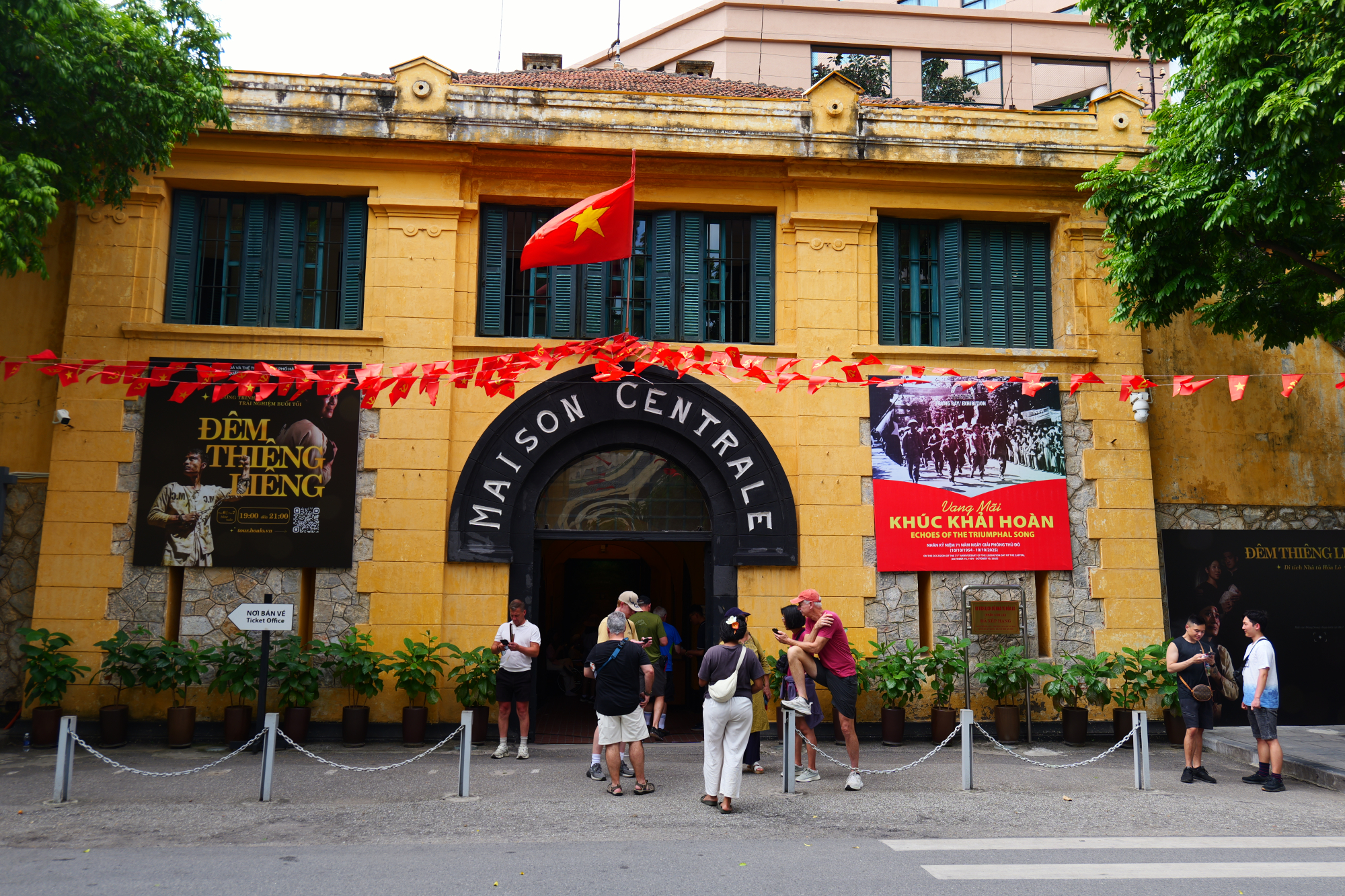
Returning to the realities of modern history, Hoa Lo Prison in Hanoi offers a profoundly moving educational experience. Built by the French colonial administration in the late 19th century and named Maison Centrale, this maximum-security facility was originally used to detain, isolate, and execute political prisoners fighting for Vietnamese independence.
Decades later, during the Vietnam War, the remaining portions of the prison were used to house captured American pilots, who wryly nicknamed the grim compound the "Hanoi Hilton."
Today, the preserved section operates as a museum. Its dark, narrow hallways, original iron shackles, and heavy guillotine tell an unforgettable story of human sacrifice and the ultimate cost of national sovereignty.
In the center of Ho Chi Minh City, the Independence Palace (also popularly known as the Reunification Palace) stands as an architectural icon of 1960s Modernism and a landmark of world-altering history. This striking building served as the official home and workplace of the President of South Vietnam during the war.
The palace is frozen exactly in time, with its grand reception rooms, private residential quarters, and underground tactical war command rooms completely preserved with original period furniture, maps, and old communication equipment.
Historically, this is the exact location where the Vietnam War came to an official end on the morning of April 30, 1975, when a North Vietnamese tank crashed directly through the wrought-iron front gates, signaling the immediate reunification of the country.
Located roughly 70 kilometers northwest of the city center, the Cu Chi Tunnels offer a breathtaking look into the sheer resourcefulness, strategic brilliance, and endurance of the human spirit. This immense underground network stretches across more than 250 kilometers, spider-webbing beneath the forest floor.
Hand-dug by local soldiers and civilians over a period of decades, these incredibly narrow, multi-level tunnels were not just hidden paths; they functioned as completely operational underground cities. The subterranean complexes included:
Hidden living quarters and bunk beds.
Ventilated field kitchens that dispersed smoke safely at ground level.
Fully staffed blast-proof medical clinics and surgical wards.
Weapon factories and tactical command bunkers.
Today, visitors can look at hidden trapdoors and carefully crawl through sections of the reinforced tunnels, gaining a deep perspective on the daily lives and survival strategies of the people who lived underground for years.
|
Region |
Must-Visit Historical Site |
Ideal Travel Window |
|
Northern Vietnam |
Thang Long Citadel, Hoa Lu |
October to April (Cooler temperatures, lower rainfall) |
|
Central Vietnam |
Vinh Moc Tunnels, Hue Imperial Monuments, Hoi An, My Son |
January to August (Dry season, ideal for walking tours) |
|
Southern Vietnam |
Independence Palace, Cu Chi Tunnels |
December to April (Dry, pleasant conditions) |
Skip the stress of coordinating multiple destinations. Let our local boutique experts handle your transport, guides, and accommodations with our fully customizable packages. Deepen your journey with our signature Indochina culture and history 22 days - Unique itinerary and best rate to effortlessly connect the sacred almsgiving rituals of Luang Prabang, the historic wartime underground shelters of Vinh Moc tunnels, and the magnificent, ancient stone carvings of the Angkor Temples in one seamless regional experience.
View Our Indochina Tour Packages →


