

Updated: 27-10-2026 | Blogs about Vietnam | Views: 1192
From towering limestone pillars rising dramatically out of emerald seas to ancient primary rainforests hiding the world’s largest subterranean caves, Vietnam is a realm of extraordinary ecological diversity. Featured in National Geographic Traveller Vietnam editions and acclaimed international features, this Southeast Asian gem offers an unforgettable escape into the wild for travelers who measure a great trip by mountain passes conquered, rare wildlife spotted, and serene river valleys explored.
Whether you are seeking a quiet trek through sculpted, mist-shrouded valleys or an adrenaline-fueled multi-day expedition deep inside cavernous karst systems, exploring the beautiful Vietnam nature delivers endless wonder. In this comprehensive guide, we serve as a travel guide to Vietnam for outdoor enthusiasts, unpacking the country's most spectacular ecosystems—from legendary UNESCO reserves to quiet, off-the-beaten-path sanctuaries to help you craft the ultimate Vietnam nature tour itinerary.
Stretching over 1,650 kilometers from north to south, Vietnam’s unique geography transitions through a remarkable range of microclimates and landscapes. In the northern highlands, jagged limestone peaks and deep canyons crumble into centuries-old, hand-carved rice terraces. Moving into the central regions, you encounter Asia’s oldest karst mountains, teeming with subterranean cave networks and dense jungle canopies. Further south, expansive freshwater wetlands, flooded cajuput forests, and protected island archipelagos take over, harboring vibrant coral reefs.
With more than 30 national parks and dozens of biosphere reserves scattered across its provinces, Vietnam has steadily elevated its commitment to sustainable eco-tourism. Booking a thoughtfully planned Vietnam nature tour allows travelers to immerse themselves in pristine wilderness while directly supporting rural communities and habitat conservation efforts.
The northern region serves as the dramatic crown of Vietnam's geography, characterized by high-altitude mountain ranges, deep lake basins, and sprawling coastal bays.
No journey focused on Vietnam nature attractions would be complete without experiencing the seascape of the Gulf of Tonkin. Ha Long Bay features thousands of sheer limestone islands and islets jutting out of emerald waters. To truly appreciate this aquatic ecosystem away from standard cruise routes, venture into neighbouring Lan Ha Bay or step ashore on Cat Ba National Park. Cat Ba Island protects a complex environment of coastal mangroves, freshwater lakes, and dense tropical rainforest where the critically endangered Cat Ba langur still swings through the canopy.
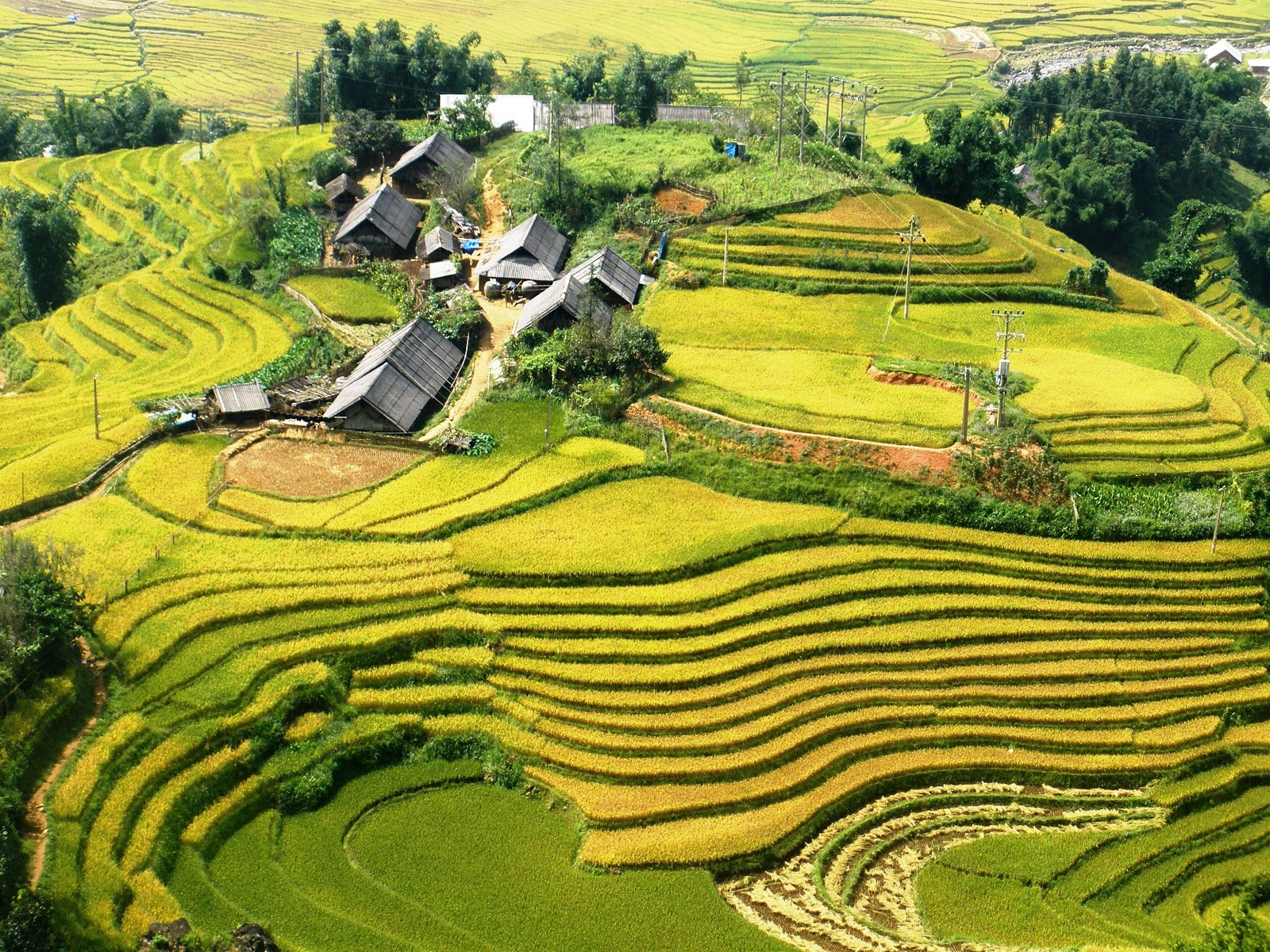

Further inland, the Hoang Lien Son mountain range—the easternmost extension of the Himalayas—dominates the horizon with Mount Fansipan standing tall at 3,147 meters. Hikers flock to Sapa for multi-day ridge treks through bamboo forests and mountain villages. In Mu Cang Chai, generations of H'mong communities have sculpted steep mountainsides into sweeping, golden rice terraces that peak during the autumn harvest.
Slightly southwest in Thanh Hoa province lies Pu Luong Nature Reserve, a tranquil paradise of primary rainforest, karst valleys, and ethnic Thai hamlets. Because of its milder elevation, Pu Luong yields two lush harvests a year—in early summer and mid-autumn. Walking along the Cham River in Pu Luong reveals one of northern Vietnam's most iconic sustainable engineering marvels: giant, handcrafted bamboo water wheels that silently lift river water into elevated irrigation channels without a single drop of fuel.
Heading toward the Red River Delta, Ninh Binh offers a surreal landscape often called "Ha Long Bay on Land," where sheer limestone monoliths rise straight out of emerald paddy fields and winding rivers. Nearby, Cuc Phuong National Park stands as Vietnam’s oldest protected forest. Home to ancient thousand-year-old trees, vast cavern networks, and the vital Endangered Primate Rescue Center, Cuc Phuong becomes magical every spring when millions of colorful butterflies blanket the forest paths.
Just an hour west of Hanoi, Ba Vi National Park offers cool mountain air and cloud-covered peaks centered around Mount Ba Vi, where dense pine forests and misty trails lead past French colonial ruins overgrown with jungle vines.
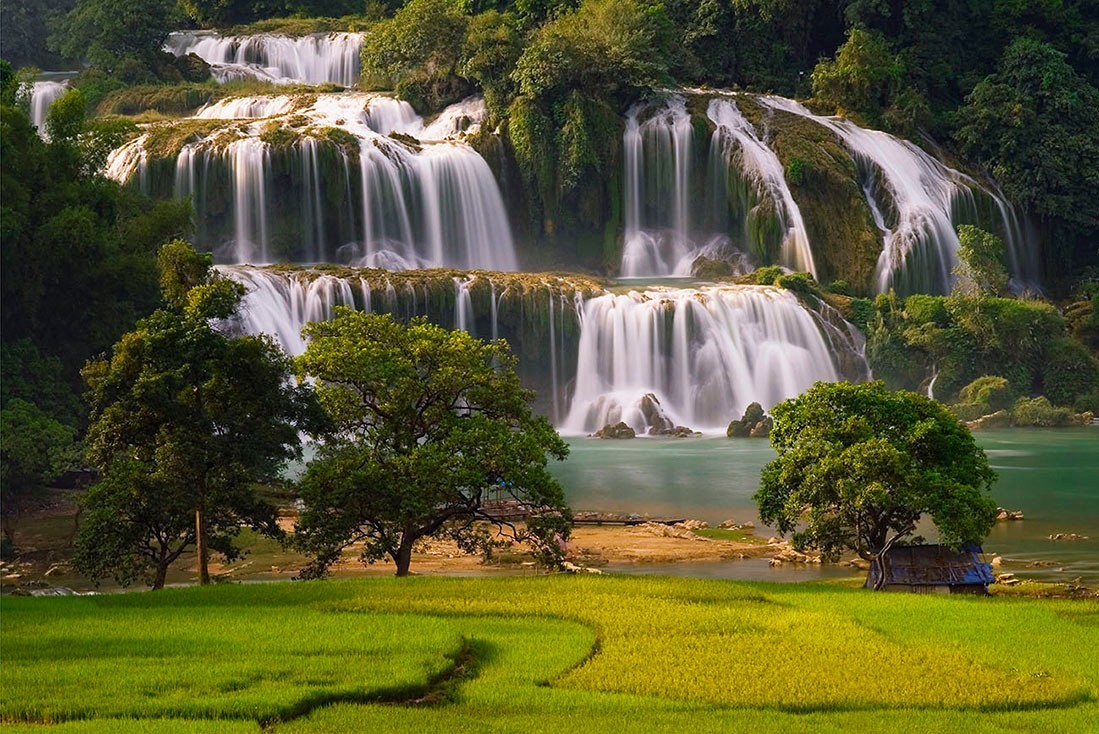
For travelers venturing off the beaten track, the northern border provinces hold extraordinary rewards. In Cao Bang, Ban Gioc Waterfalls thunders down a multi-tiered cliff into a turquoise river basin straddling the border with China. The surrounding landscape of jagged karst ridges and hidden caves, such as Nguom Ngao, creates an atmosphere of pure fantasy.
Deep inside Bac Kan province, Ba Be National Park cradles the largest natural freshwater lake in Vietnam. Ringed by towering karst peaks and primary rainforest, Ba Be Lake is best explored on a quiet wooden boat or kayak, gliding past Puong Cave while watching for rare hornbills, langurs, and pangolins along the forested shoreline.
Central Vietnam is defined by raw geology, where the Annamite Mountain Range squeezes tightly against the East Sea, creating a corridor of massive cave systems and misty, high-biodiversity jungle sanctuaries.
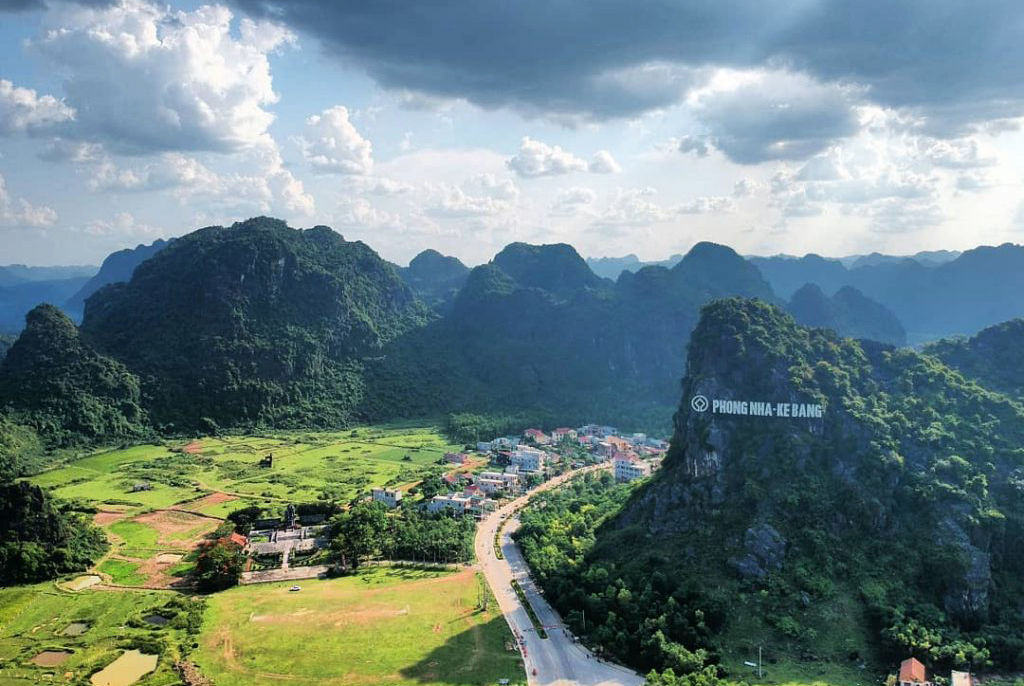
For eco-adventurers, Central Vietnam is home to the ultimate subterranean frontier. Phong Nha-Ke Bang National Park protects a 400-million-year-old karst ecosystem housing over 300 giant cavern systems. Within its borders lies Hang Son Doong, the world's largest cave passage, a cavern so immense it shelters its own internal weather systems, fast-flowing underground rivers, and an untouched jungle canopy hundreds of meters below the surface. Nearby options like Paradise Cave, Hang En, and Dark Cave allow day-trippers and trekkers to marvel at massive stalactites and subterranean river passages.
Positioned along the climatic divide between north and south near Hue, Bach Ma National Park rises sharply from the coast up to nearly 1,450 meters elevation. The summit at Hai Vong Dai provides 360-degree views over coastal lagoons, while forest trails lead downward to Do Quyen Waterfall, a majestic 300-meter sheer cascade framed by wild rhododendrons.
Further down the coast near Da Nang, the mountain ridges of the Son Tra Peninsula drop directly into coral-rich waters. Son Tra is famous among wildlife photographers as one of the last remaining refuges of the red-shanked douc langur—often called the "costumed ape" for its striking, colorful fur—which can frequently be seen feeding in the forest canopy along coastal mountain drives.
In the south, water takes center stage as powerful river systems slow down, creating expansive wetlands, tropical lowland forests, and isolated island marine sanctuaries.
The Mekong Delta forms a sprawling, fertile network of rivers, orchards, and flooded green forests. One of the region's absolute highlights for nature lovers is the Tra Su Cajuput Forest in An Giang province. Spanning 850 hectares, this protected wetland is covered in a vibrant, thick blanket of green duckweed. Gliding silently on a traditional wooden sampan through narrow canals beneath towering cajuput trees while egrets, herons, and storks wade just feet away offers a profoundly peaceful glimpse into beautiful Vietnam nature.
Located roughly three hours north of Ho Chi Minh City, Cat Tien National Park preserves one of the largest remaining lowland tropical rainforests in southern Vietnam. The park provides critical habitat for Asian elephants, golden-cheeked gibbons, sambar deer, and hundreds of bird species. Excellent hiking trails wind past massive tung trees with buttress roots, while night jeep safaris give travelers a rare chance to observe nocturnal wildlife in their natural environment.
For marine lovers, Vietnam's southern offshore islands feature pristine marine ecosystems and coastal protection zones. The remote Con Dao Archipelago, a cluster of 16 mountainous islands, protects sea turtle nesting grounds where travelers can witness green turtles laying eggs or watch newly hatched turtles scramble toward the waves between June and September. Meanwhile, Phu Quoc National Park protects dense primary evergreen forest across more than half of Phu Quoc Island, leading down to quiet coastal waters ideal for snorkeling over vibrant coral reefs.
Exploring fragile natural environments requires thoughtful preparation and a commitment to responsible eco-tourism so these wilderness areas remain pristine for generations to come. As highlighted in a travel guide to Vietnam literature, keeping your environmental impact low is key to sustaining these ecosystems.
When booking tours, prioritize local, leave-no-trace operators that hire local guides, minimize single-use plastics, and directly contribute to community development or wildlife conservation. Always respect wildlife by maintaining a quiet distance, avoiding any experiences that exploit animals, and supporting rescue centers such as those in Cuc Phuong or Cat Tien.
Packing sustainable gear—such as a reusable insulated water bottle with built-in filtration, reef-safe sunscreen, and biodegradable toiletries—prevents plastic pollution and chemical runoff in remote rivers and coastal waters. Finally, when trekking through protected national parks or nature reserves like Pu Luong and Bach Ma, always stay on marked trails to prevent soil erosion and avoid disturbing vulnerable plant species.
Vietnam is a land where nature expresses itself on a grand scale, earning praise across modern media from photojournalism in National Geographic Traveller Vietnam to intrepid travel logs worldwide. Whether you are gazing at the roaring waters of Ban Gioc, trekking through the quiet valleys of Pu Luong, or navigating subterranean rivers beneath ancient karst mountains, a journey into Vietnam's wild heart promises memories that will linger long after your boots have dried.

Active & Adventure - 17 days 16 nights


