

Updated: 08-11-2026 | Blogs about Vietnam | Views: 1044
There is something undeniably magnetic about Northern Vietnam. If you've spent any time staring at misty mountain peaks, emerald-green valleys carved by generations of rice farmers, or winding mountain passes that seem to touch the clouds, chances are your wanderlust is already working overtime.
When planning a Vietnam trip, navigating Northern Vietnam’s highland escapes can feel a bit overwhelming. The three heavyweights, Sapa, Ha Giang, and Pu Luong, all offer breathtaking scenery, but they cater to entirely different styles of travel.
Whether you’re embarking on a broader vietnam 10 day tour or focusing purely on the north, here is an honest, authentic breakdown to help you discover which destination belongs on your itinerary.
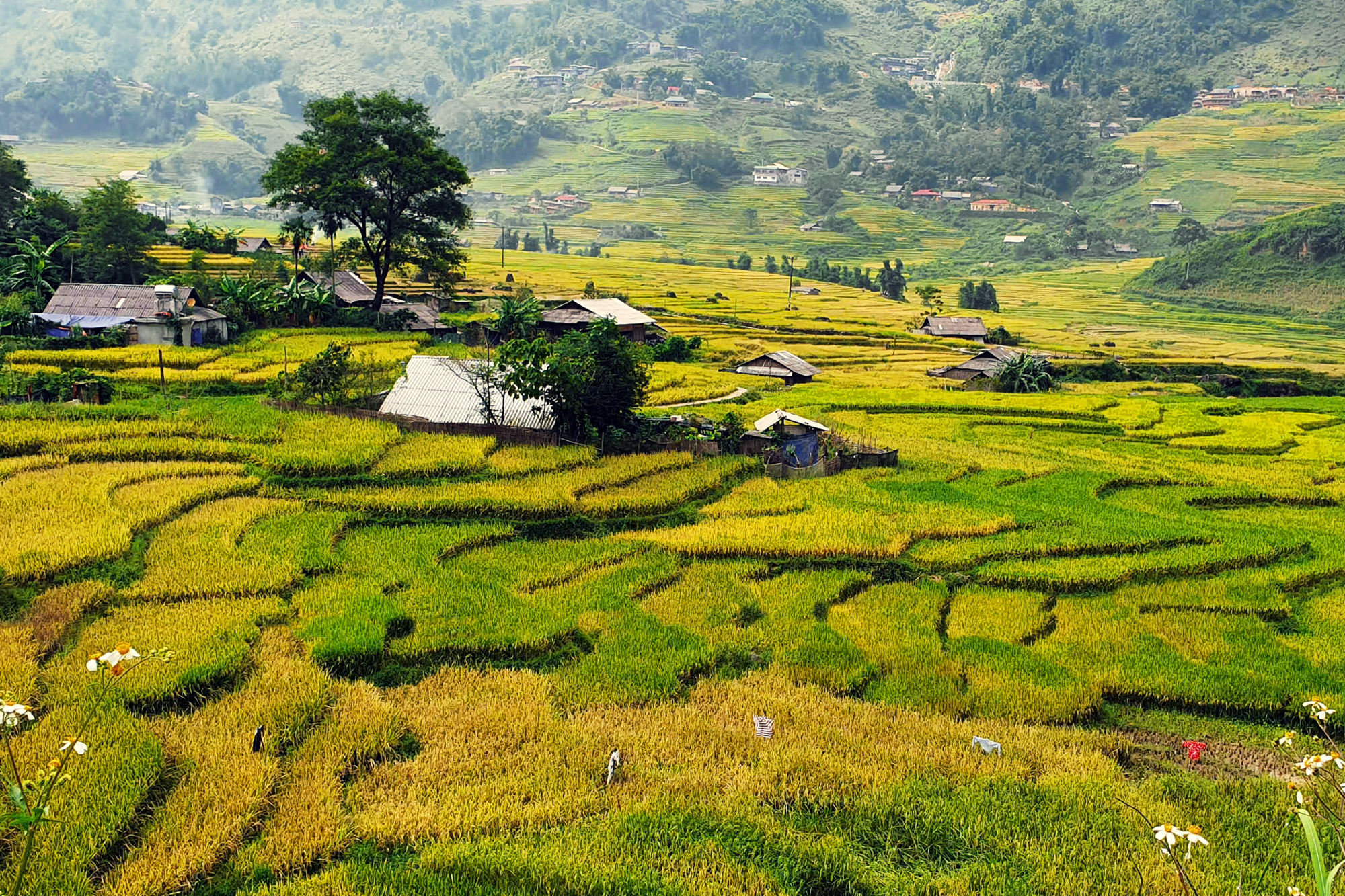
Sapa is Northern Vietnam’s most famous mountain retreat - and for good reason. Perched high in the Hoang Lien Son mountain range, Sapa features iconic terraced rice fields that cascade down deep valleys, surrounded by ethnic Hmong and Red Dao villages.
Sapa feels like a blend of French colonial mountain station and lively highland hub. While Sapa Town itself has developed rapidly with boutique hotels, cafes, and rooftop bars, the magic still lies in the surrounding villages like Ta Van, Lao Chai, and Y Linh Ho.
Trekking Heaven: Excellent multi-day guided walks ranging from gentle strolls through bamboo forests to challenging day treks.
Cultural Encounters: Opportunities to stay in authentic homestays and learn traditional embroidery from local ethnic communities.
Fansipan Peak: Take the record-breaking cable car to the summit of Mount Fansipan—the "Roof of Indochina"—for cloud-floor views.
Sapa is ideal for first-time visitors to South East Asia, keen walkers, and families looking for iconic views alongside creature comforts, great coffee, and seamless luxury transport options from Hanoi.

If Sapa is the refined classic, Ha Giang is the untamed wilderness. Bordering China, this remote province boasts some of the most dramatic geological formations in Asia, defined by towering limestone karsts, deep river canyons, and winding mountain passes like Ma Pi Leng.
Unfiltered adventure. Ha Giang is famous for the Ha Giang Loop, a multi-day road trip route usually completed by motorbike (either riding yourself or on the back of an experienced local 'Easy Rider') or private open-top jeep.
Jaw-Dropping Drives: Hairpin bends hugging cliff edges, overlooking the turquoise waters of the Nho Que River below.
Raw Cultural Immersion: Vibrant weekly markets where ethnic groups come together in traditional dress, undisturbed by mainstream commercialism.
Unmatched Scale: Landscapes that dwarf almost anywhere else in South East Asia.
Ha Giang is perfect for thrill-seekers, photographic enthusiasts, and experienced travellers who don't mind longer travel days and simpler accommodations in exchange for raw, unadulterated beauty.
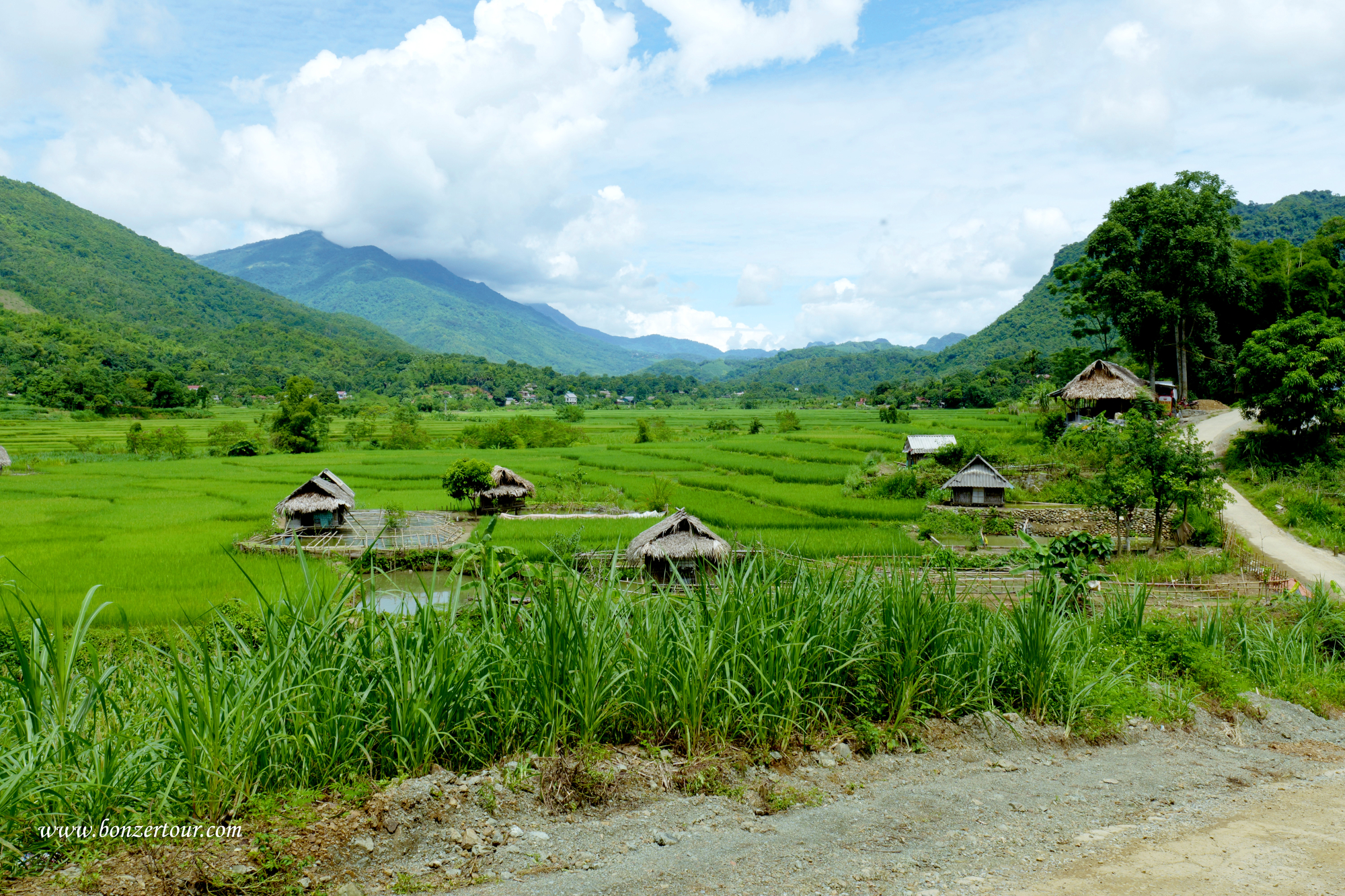
Tucked away southwest of Hanoi, Pu Luong Nature Reserve is Northern Vietnam's best-kept secret. It offers all the charm of the northern highlands without the long road journeys required to reach Sapa or Ha Giang.
Tranquil, slow-paced, and effortlessly eco-friendly. Pu Luong is a lush haven of primeval jungle, gentle limestone peaks, traditional Thai stilt-house villages, and ancient giant bamboo waterwheels skimming along rivers.
Relaxed Pace: Gentle valley walks, bamboo rafting along calm rivers, and swimming beneath cool waterfalls.
Eco-Lodges: Gorgeous boutique accommodations with infinity pools overlooking uninterrupted valley vistas.
Proximity: A manageable 4-hour drive from Hanoi, making it an easy addition to tighter schedules.
Pu Luong is a match made in heaven for couples, slow travellers, and eco-conscious wanderers seeking serenity, light nature walks, and genuine local warmth without spending half their holiday in transit.
Northern Vietnam's highlands have their own seasonal highlights. Visit Sapa in September and the rice terraces turn golden as harvest approaches. Come in October and the cooler, sunnier weather makes it a wonderful time to explore the mountains. In summer, Pu Luong's valleys become lush and green, offering beautiful countryside walks and a slower pace of life.
But what about winter? From December to February, Northern Vietnam enters a different season. The golden rice fields have largely disappeared, the mountains can be wrapped in mist, and temperatures in the highlands can fall much lower than travellers expect. Yet winter does not mean these destinations are no longer worth visiting. It simply changes what you can experience and what you should plan for.
Sapa, Ha Giang and Pu Luong each offer a different kind of winter escape. Sapa has its atmospheric mountain scenery and the possibility of frost on particularly cold days. Ha Giang offers dramatic limestone landscapes and winding mountain roads, although fog and cold conditions can make the journey more challenging. Pu Luong, meanwhile, is a quieter retreat into rural life, forested hills and traditional villages, even when its rice terraces are no longer green.
Sapa in Winter: Mountain Scenery, Mist and Cold-Weather Trekking
Winter in Sapa, from December to February, brings a completely different atmosphere from the golden harvest season in September or the sunny days of October. Temperatures drop, mist often drifts across the valleys, and the mountain peaks can disappear behind low clouds before revealing themselves again later in the day. On particularly cold days, frost may appear at higher elevations, and occasional snowfall is possible, although never guaranteed. The rice terraces are no longer at their lushest or most colourful, but the quieter landscape has its own appeal.
You can still explore ethnic minority villages, enjoy local food and take short walks through the countryside when conditions allow. The key is to dress warmly, allow flexibility in your plans and avoid expecting clear mountain views every day.
Ha Giang's limestone mountains remain impressive throughout winter, with steep cliffs, winding passes and deep valleys creating a rugged landscape that feels far removed from Vietnam's tropical image. The famous Ha Giang Loop can be particularly atmospheric under a blanket of mist, but that same mist can obscure viewpoints and reduce visibility on mountain roads. Cold winds are especially noticeable when travelling by motorbike, and temperatures can fall sharply at higher elevations. Rather than rushing through long riding days, consider travelling with an experienced local Easy Rider or hiring a private car with a knowledgeable driver.
Beyond the mountain passes, take time to explore Dong Van's old quarter and visit local markets when they are operating, where you can gain a glimpse into everyday life on the northern frontier.
Winter in Pu Luong is less about dramatic weather and more about slowing down. The rice terraces may be harvested, leaving earthy fields and muted shades of brown and green instead of the vivid scenery associated with the summer growing season. Cooler mornings are ideal for enjoying the peaceful valleys, walking between traditional stilt-house villages and learning about the daily lives of local Thai communities. You can also explore forest paths and see traditional water wheels, although recent rainfall and local trail conditions may affect access.
Compared with Sapa and Ha Giang, Pu Luong is better suited to travellers seeking a relaxed countryside escape rather than high-altitude adventures. Choose accommodation with reliable hot water and suitable cold-weather facilities, and visit with an appreciation for rural life rather than expecting the rice fields to be green throughout the year.

Active & Adventure - 3 days 2 nights

8 days 7 nights

Active & Adventure - 3 days 2 nights


