

Updated: 26-11-2026 | Blogs about Vietnam | Views: 1030
Cambodia deeply rewards travelers who slow down. Beyond the legendary towers of Angkor Wat lies a landscape of sun-drenched rice paddies, quiet riverside towns, and a resilient capital city where ancient heritage meets modern energy.
A single week will not reveal every corner of the country, but it is enough to fall in love with it. By focusing on Siem Reap and Phnom Penh, this seven-day Cambodia journey balances awe-inspiring ancient wonders, lush rural life, and a profound look into the country’s modern soul.

A few practical details will make your journey much smoother. Most travelers need an entry visa, which is easily arranged online alongside the digital Cambodian Arrival Card before departure.
Currency Matters
While the Cambodian Riel is the official currency, US dollars are used universally in tourist areas. Carry crisp, undamaged small bills. Vendors and banks strictly reject torn or creased notes, and street vendors rarely accept credit cards.
Temple Dress Code
When visiting sacred sites like Angkor Wat or the Royal Palace, dress respectfully with covered shoulders and knees. Lightweight, breathable fabrics paired with sturdy walking shoes are best for navigating miles of uneven stone.
Timing and Pacing
The dry season from November through February brings comfortable weather ideal for exploring. The green season from May to October offers emerald landscapes and fewer crowds, alongside brief afternoon showers. Above all, pace your journey carefully and allow plenty of time for reflection when visiting historical sites.

Here is the suggested itineray 7 day road trip in Cambodia :
Your journey begins in Siem Reap. After settling into your hotel and adjusting to the tropical warmth, spend your afternoon soaking up local life around the Old Market. Narrow aisles overflow with fragrant spices, silk scarves, and local crafts.
A quiet stroll along the river leads to Wat Preah Prom Rath, a peaceful temple complex with colorful murals. When evening falls, enjoy a quiet Khmer dinner such as Fish Amok - a silky, aromatic coconut curry steamed in banana leaves - or a fresh green mango salad.
Set an early alarm to catch the iconic sunrise over the lotus towers of Angkor Wat. Its vast galleries and intricate stone carvings are extraordinary to explore at any hour.
Next, head into the ancient walled city of Angkor Thom to reach Bayon Temple, famous for hundreds of serene stone faces carved into towering turrets.
Conclude your loop at Ta Prohm, the famous sanctuary swallowed whole by massive strangler fig roots. Focusing on these three major sites gives you time to linger without feeling overwhelmed.
Essential Tips for Visiting the Angkor Temples
Passes and Tickets: Purchase your Angkor Pass online via the official portal before your trip to save precious time at the gate. Passes are available in one-day, three-day, or seven-day options. For a seven-day trip, the three-day pass offers the best balance and flexibility.
Beating the Heat and Crowds: The midday tropical heat and humidity inside the stone corridors can be intense. Start your exploration at first light around 5:30 AM, return to your hotel pool or a shaded café between 11:30 AM and 2:30 PM, and venture back out in the late afternoon when the light turns golden and the tour buses begin to clear.
Footwear and Mobility: You will easily walk four to six miles a day over uneven stone, steep staircases, and exposed tree roots. Leave sandals behind in favor of broken-in walking shoes or lightweight hiking sneakers with strong traction.
Hiring a Local Guide: While exploring independently is easy, hiring a licensed local guide transforms the experience. They navigate you through hidden side entrances away from big groups, know the exact angles for photos, and bring the ancient bas-relief carvings to life with rich stories of Khmer mythology and history.
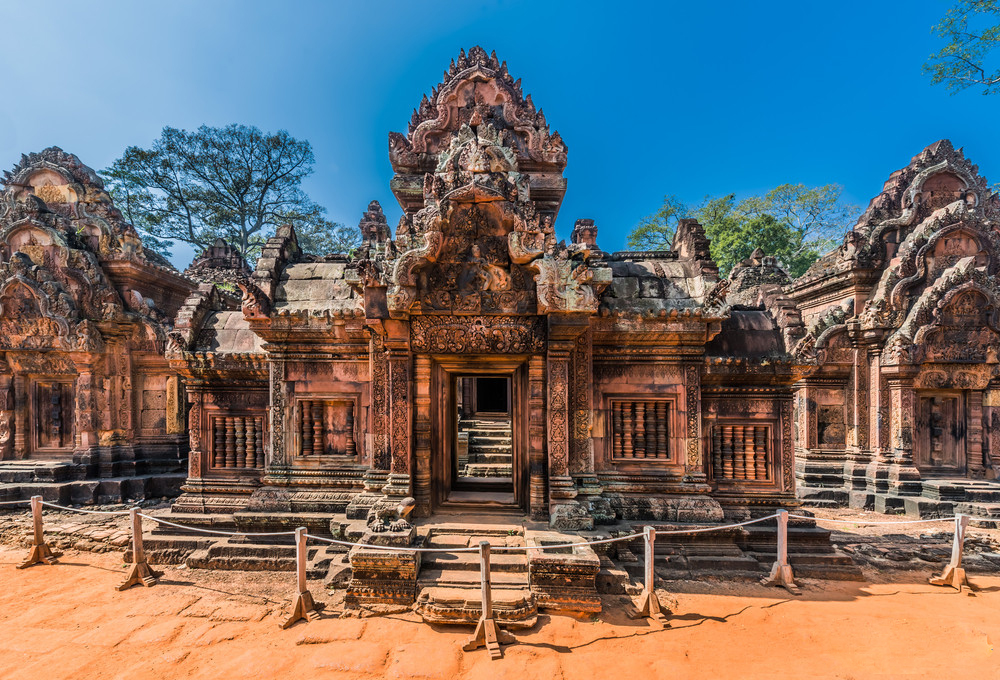
Trade ancient stone for the vibrant green countryside. A guided bicycle or tuk-tuk ride through the rural villages surrounding Siem Reap reveals stilted wooden houses, mirror-like rice paddies, and water buffalo resting in the shade.
In the afternoon, visit the Cambodia Landmine Museum for an eye-opening look at the country's recent history and ongoing clearance efforts. Keep your final evening relaxed before traveling south the next day.
Depart Siem Reap after breakfast for an exhilarating road trip down National Road 6 toward Phnom Penh. Far from being just a transfer day, the six-hour drive south cuts through the rustic heartland of Cambodia, turning the open highway into a feast of unexpected sights, rich aromas, and authentic encounters.
The Ancient Spean Praptos Bridge
Your first stop takes you back to the age of the god-kings at Kampong Kdei. Here stands Spean Praptos, a monumental stone arch bridge built over eight hundred years ago during the reign of Jayavarman VII. Walk across its ancient, weathered blocks and marvel at the stone naga serpents guarding the bridge ends—a quiet, incredible engineering wonder hidden right alongside the modern highway.
Deep-Fried Delicacies at Skun Spider Market
As you approach Kampong Cham province, pull over at the infamous town of Skun, world-renowned as Cambodia's "Spider Market." For adventurous foodies, this sensory overload is a thrilling highlight. Local vendors display big woven baskets heaped high with crispy deep-fried tarantulas, seasoned with garlic, salt, and chili, alongside fried crickets, silk larvae, and giant water bugs. Even if you do not dare to take a crunchy bite of a garlic-fried spider, watching brave travelers try them and chatting with the local market women makes for an unforgettable stop.
Silks and Stone Carvings
Further along the route, pass through small artisanal villages where road-side workshops hum with life. Stop at Santuk to watch stone sculptors hand-carve massive granite Buddhas, or pause at roadside stalls to sip cold, fresh coconut water straight from the shell while picking up hot bamboo tubes filled with kralan—sweet sticky rice cooked with black beans and coconut milk over open coals.
Arriving in Buzzing Phnom Penh
Roll into Phnom Penh by late afternoon as the rural quiet gives way to the kinetic energy of the capital. The city hits you with a vibrant contrast of French colonial villas, golden temple spires, sleek glass high-rises, and endless streams of tuk-tuks weaving through the streets. As dusk settles, check into your hotel and make your way to the Sisowath Quay promenade. Stroll along the riverfront where the Tonle Sap and Mekong rivers meet, taking in the cool breeze alongside local families, street performers, and food carts serving sizzling skewers.
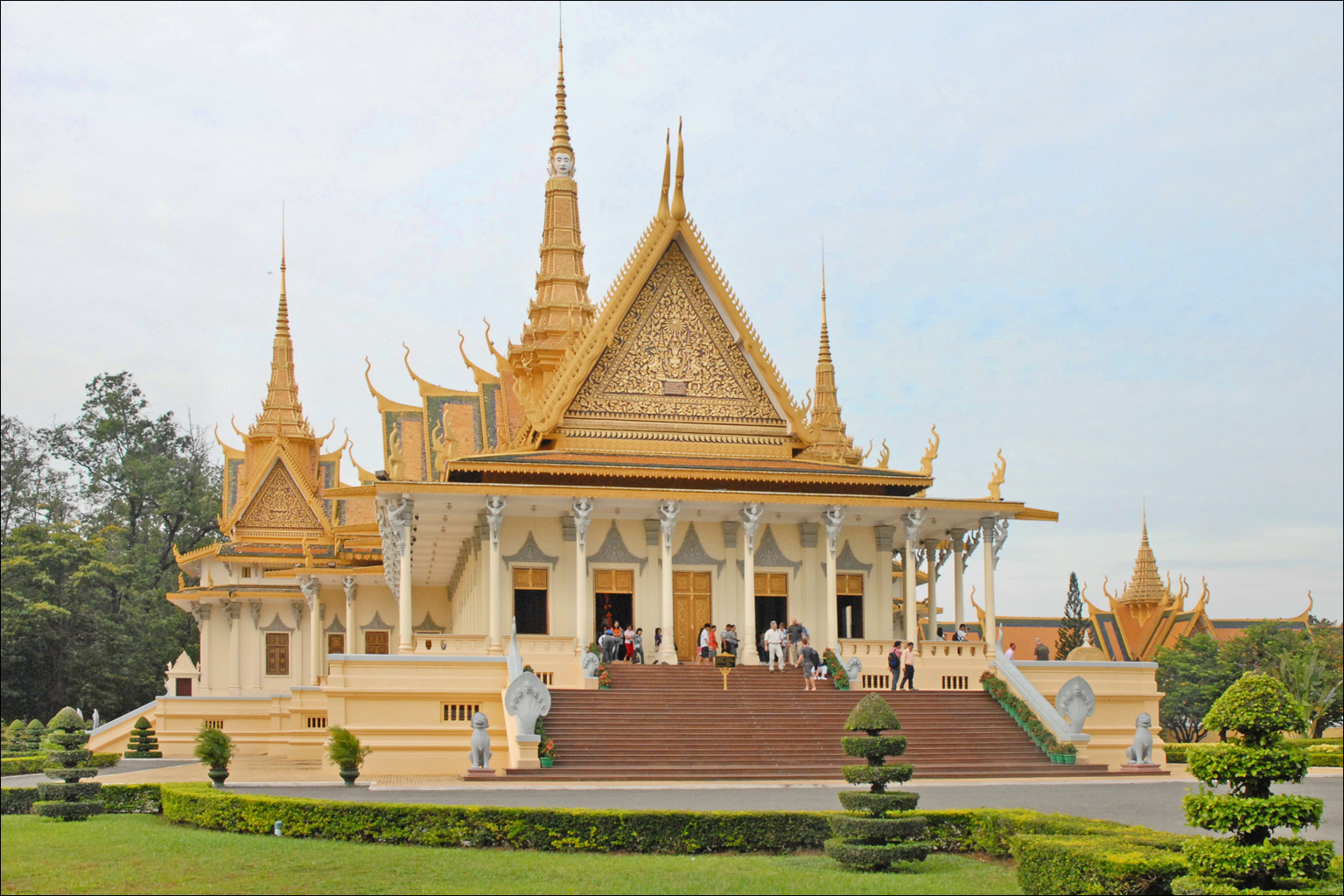
Begin your morning at the Royal Palace and the adjacent Silver Pagoda, famous for its floor paved with thousands of silver tiles. Nearby, the National Museum houses the world’s finest collection of ancient Khmer sculptures.
In the afternoon, visit the Tuol Sleng Genocide Museum, a former high school used as an interrogation center under the Khmer Rouge, followed by the Choeung Ek Genocidal Center. The audio tours provide a deeply emotional yet essential foundation for understanding modern Cambodia.
End your day with a quiet dinner in town, reflecting on the inspiring resilience of the Cambodian people.
Spend the day discovering the human side of Phnom Penh. Start inside Central Market, a striking yellow Art Deco building from the 1930s where vendors under a massive central dome sell local food, jewelry, and everyday goods.
Afterward, walk up the forested hill to Wat Phnom, a serene temple where locals gather to pray. In the afternoon, take a hands-on Khmer cooking class to learn how fresh herb pastes are crafted from lemongrass, galangal, kaffir lime, and turmeric.
Keep your final morning flexible. Revisit a favorite riverside café for an iced condensed-milk coffee, pick up handwoven silk gifts, or simply watch the boats drift along the river. As you head to the airport, you will carry home memories not just of magnificent ancient ruins, but of the warmth, strength, and welcoming spirit of the Cambodian people.
Look for more authenticity?
If you want to step off the well-trodden tourist trail and discover the deeper, quieter rhythms of the country, here are a few unforgettable ways to enrich your trip or swap into your itinerary.
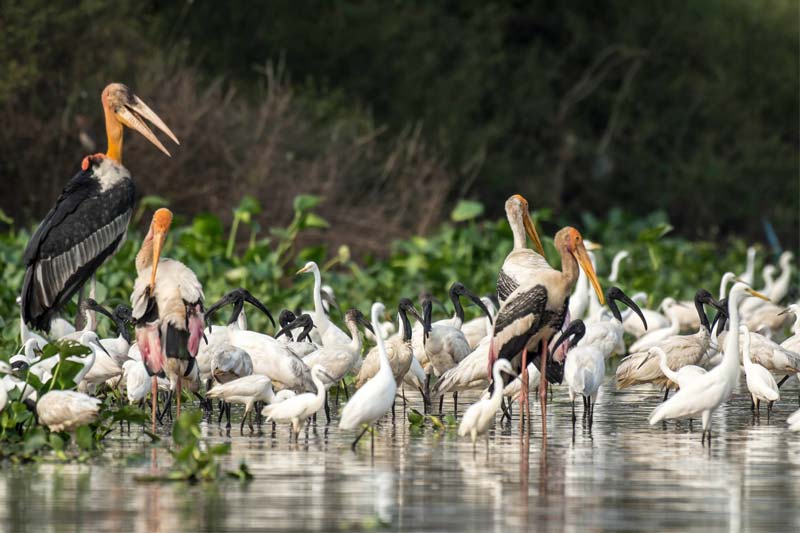
Instead of the crowded floating villages like Chong Kneas, journey out to Prek Toal Core Bird Sanctuary or the stilted village of Kompong Phluk. Boarding a wooden boat through the flooded cajeput forests offers a serene glimpse into a unique water-bound ecosystem where entire communities live in harmony with the seasonal rise and fall of Southeast Asia’s largest freshwater lake.
Take a day trip north of Siem Reap to Phnom Kulen, the sacred mountain where the ancient Khmer Empire was born. Hike through jungle trails to reach the River of a Thousand Lingas, where hundreds of intricate carvings are etched directly into the sandstone riverbed beneath crystal-clear flowing water, before cooling off under a roaring jungle waterfall alongside local picnickers.
Instead of driving directly from Siem Reap to Phnom Penh on National Road 6, detour around the western side of Tonle Sap Lake to Battambang. This relaxed riverside town boasts some of the finest French colonial architecture in the country, a thriving indie art scene, and the famous wooden bamboo train that clatters through emerald rice fields.
As you journey south toward Kampong Thom, take a break at the base of Phnom Santuk. Visit the quiet artisan hamlets along the road where generations of stone carvers use chisels and hammers to shape massive blocks of sandstone into elegant Buddha statues, sacred nagas, and traditional garden ornaments.
Escape the capital's urban bustle by taking a short local ferry across the Mekong River to Koh Dach. Renting a bicycle to ride along peaceful dirt lanes shaded by mango trees reveals traditional wooden stilted homes where families operate traditional handlooms beneath their houses, weaving vibrant silk scarves using techniques passed down for centuries.
For design lovers, explore the mid-century architectural revolution led by visionary Cambodian architect Van Molyvann. Skip the standard tour buses and take a self-guided walk around the Olympic Stadium complex or the Institute of Foreign Languages, marveling at how 1960s concrete brutalism seamlessly integrates ancient Angkorian principles of light, ventilation, and water.


