

Updated: 08-11-2026 | Blogs about Vietnam | Views: 1099
Planning a first trip to Vietnam can feel surprisingly overwhelming. The country is long and narrow, with over 1,000 miles (1,600 kilometers) separating Hanoi in the north from Ho Chi Minh City in the south. Add dramatic mountains, rice terraces, limestone karsts, historic lantern-lit towns, tropical beaches, and an endless list of incredible food spots, and a 10-day vacation can easily turn into a high-stress game of trying to do too much.
The secret? Don't try to see it all.
Instead, focus on experiencing the distinct flavors of northern, central, and southern Vietnam without spending your entire vacation in airport terminals or checking in and out of hotels. This 10-day itinerary weaves together Hanoi, Halong Bay, Hoi An, and Ho Chi Minh City—giving you a genuine taste of the country while leaving enough breathing room to actually enjoy where you are. It’s not the only way to explore Vietnam, but it’s the most realistic, balanced starting point for first-timers.
Days 1–2: Hanoi — Dive Into the Old Quarter
Start your journey in Hanoi, Vietnam’s bustling capital and the best spot to get a feel for the country’s history and daily rhythm.
Don't expect Hanoi to feel super polished like some other modern Asian capitals. Its charm lies in its lively, atmospheric contrast: French colonial architecture sitting right next to narrow tube houses, ancient temples tucked into busy intersections, quiet lakes hiding behind scooter traffic, and sidewalk stalls serving world-class food just inches from the pavement.
Keep your arrival day low-key. After checking into your hotel, explore the Old Quarter on foot. Stroll around Hoan Kiem Lake, cross the red bridge to Ngoc Son Temple, and simply soak it all in. Honestly, one of the best things to do here isn't a museum or landmark—it's pulling up a low plastic stool at a sidewalk café, sipping an iced egg coffee, and watching the world roll by.
In the evening, head back out when the temperatures cool down. Dig into local staples like pho, bun cha, banh mi, or cha ca (turmeric grilled fish). If you're visiting over the weekend, the streets around Hoan Kiem Lake close to cars and turn into a lively pedestrian night market.
On Day 2, dive into Hanoi’s history. Visit the serene Temple of Literature, the Ho Chi Minh Mausoleum complex, and the Imperial Citadel of Thang Long. In the afternoon, wander a quieter neighborhood like Ba Dinh or head just outside the city center to a traditional craft village.
Tip: Hanoi is meant to be savored slowly. Instead of trying to check off every single attraction in one day—which usually leaves you exhausted—consider giving yourself a few extra days. If you decide to add some breathing room to your trip, here are our favorite authentic, off-the-beaten-path things to do in Hanoi when you slow down.
Days 3–4: Ha Long Bay — Spend a Night Out on the Water
From Hanoi, head east toward Ha Long Bay—one of Vietnam’s most iconic, bucket-list destinations for first-time travelers. Thousands of towering limestone islands jut straight out of the emerald waters of the Gulf of Tonkin, creating the otherworldly landscape you’ve seen on countless postcards. But there’s a massive difference between just catching a quick glimpse of the bay and truly taking it in.
If your schedule permits, book an overnight cruise instead of doing a rushed, high-stress day trip from Hanoi. After boarding around noon, your ship sails deeper into the bay. You'll spend the afternoon kayaking through quiet coves, swimming, exploring sea caves, or just relaxing on the top deck with a cold drink.
The whole atmosphere shifts as the afternoon winds down. Once the day-trip tour boats head back to the mainland, the bay gets wonderfully peaceful. Watching the sunset over the quiet karst peaks from the deck is a moment no photo can ever do justice.
On Day 4, wake up early to catch the quiet morning mist over the water before grabbing breakfast and wrapping up your final boat excursion. After brunch, you’ll head back to shore and travel back toward Hanoi or go straight to the airport for your flight down to Da Nang to explore central Vietnam.
An overnight cruise is one of the smartest moves you can make on a 10-day trip—it wraps your hotel room, daily meals, boat transportation, and major sightseeing into one smooth two-day package.
A quick tip on picking a cruise: Routes typically sail through Ha Long Bay, Lan Ha Bay, or Bai Tu Long Bay. Rather than focusing solely on the name, check out the specific sailing route, ship size, room quality, and included activities.
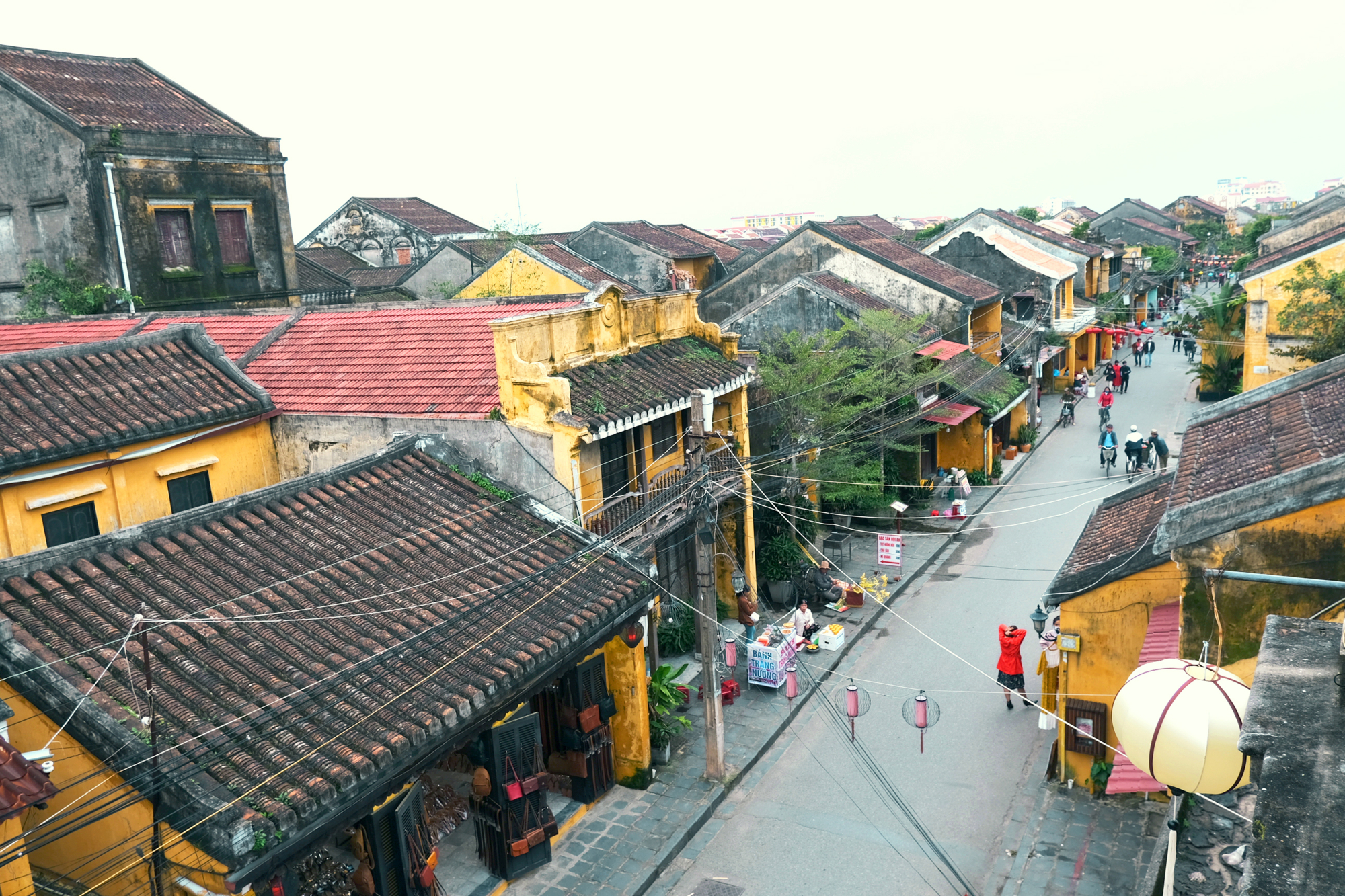
Day 4: Hoi An
Head back toward Hanoi (or a nearby regional transport hub) and take a short 1.5-hour flight down to Da Nang. From the Da Nang airport, charming Hoi An is just a quick 45-minute drive away.
Hoi An feels like a completely different world compared to Hanoi. This former trading port is famous for its remarkably preserved yellow buildings, lantern-lit streets, custom tailor shops, and rich blend of Vietnamese, Chinese, and Japanese influences.
Spend your first night simply wandering through the historic Old Town. Cross the iconic Japanese Covered Bridge, weave through the colorful back alleys, try local specialties like cao lau noodles or white rose dumplings, and watch lit paper lanterns float down the Thu Bon River.
Day 5: Hoi An — Ancient Streets & Village Life
Hoi An is the ultimate destination for slow travel and flexible exploring. Whether you want to wander on your own at your own pace or hire a local guide to bring the history, culture, and architecture to life, set aside a full day to take in the town and its surrounding countryside.
If you’re doing a self-guided stroll, hit the historic streets between 7:00 AM and 9:30 AM. You’ll beat the afternoon heat, dodge the tour groups, and catch the shopkeepers setting up under soft morning light. Make sure to grab an Old Town Heritage Ticket (~$5 USD) at one of the entry booths—it supports local preservation and grants you access to historic merchant houses, assembly halls, and the Japanese Covered Bridge.
Afterward, rent a bicycle and ride out into the rural outskirts. Within minutes, you'll be pedaling past lush rice fields, water buffalo, and small river channels to visit:
Tra Que Vegetable Village: Great for anyone interested in organic farming and traditional cooking classes.
Cam Thanh: Known for its coconut palm waterways, where you can take a spin in a round bamboo basket boat.
In the afternoon, head back to town to relax. Hoi An is world-famous for custom tailoring, but do a little research beforehand rather than going with the first shop that approaches you on the street.
As night falls, head back into the Old Town to see the lanterns glowing against the dark river.
Local Food Tips for Hoi An:
Dine One Street Back: Skip the overpriced tourist restaurants sitting directly on the water. Walk just one alley block back from the river for incredible, authentic cao lau noodles and white rose dumplings at half the price.
Grab a World-Class Banh Mi: Hoi An is home to some of the best sandwiches in the country. Stop by local legends like Banh Mi Phuong (made famous by Anthony Bourdain) or Madam Khanh – The Banh Mi Queen.
Day 6: Hoi An & Da Nang — Choose Your Own Adventure
After a couple of busy days on the move, treat yourself to a flexible leisure day. Hoi An and nearby Da Nang sit at the crossroads of ancient culture, coastal relaxation, and modern attractions—making this the perfect spot to tailor the day to your personal travel vibe.
Depending on what you're craving, here are a few great ways to spend your day:
Beach Leisure: Head just 10 minutes outside the Old Town to An Bang Beach or Cua Dai Beach. Rent a lounge chair under a palm-frond umbrella, sip a fresh coconut, and spend a lazy day enjoying the warm waters of the Central Coast.
For History Buffs (My Son Sanctuary): Take an early morning trip to the My Son Sanctuary, a UNESCO World Heritage site tucked into a lush jungle valley. These red-brick Hindu temple ruins were built between the 4th and 14th centuries by the Champa Kingdom and offer a fascinating glimpse into ancient Vietnamese history.
For Thrills & Views (Ba Na Hills): Head up into the mountains near Da Nang to visit Sun World Ba Na Hills. Take one of the world's longest cable cars up to the famous Golden Bridge—the iconic walkway held up by two massive stone hands—and explore the French Village replica above the clouds.
For Urban Explorers (Da Nang City Tour): Spend the day exploring dynamic Da Nang. Hike up the stone steps of the Marble Mountains to discover hidden cave shrines, visit the giant Lady Buddha at Linh Ung Pagoda, and watch the famous Dragon Bridge spit fire and water over the Han River (if you're there on a weekend night!).
For Foodies (Hoi An Food Tour): Take your tastebuds on a deep dive with a guided evening street food tour. Zip around on the back of a motor scooter or join a walking tasting route to sample hidden culinary gems like com ga (savory chicken rice), local herbal teas, and regional street eats you won't find on standard tourist menus.
Ready to Experience the Best of Vietnam?
Skip the hassle of coordinating domestic flights, local guides, and remote logistics independently. Let our local travel experts handle every detail from the Mekong Delta to Halong Bay.
Day 7: Hoi An to Ho Chi Minh City
Catch a morning flight from Da Nang down to Ho Chi Minh City (Saigon), Vietnam’s economic powerhouse.
The contrast between Hoi An and Saigon is instant. In a matter of hours, you trade quiet, historic river streets for a vibrant, high-energy metropolis.
To gain a glance of this city, let’s spend the afternoon exploring District 1. Stop by the War Remnants Museum, the Independence Palace, Notre-Dame Cathedral Square, and the historic Central Post Office. The War Remnants Museum in particular offers a crucial perspective on the country's recent history and resilience.
In the evening, stroll down the pedestrian street of Nguyen Hue or browse the stalls at Ben Thanh Market. Southern Vietnamese cuisine leans a bit sweeter and uses lots of fresh tropical herbs, then make sure to try southern-style banh xeo (crispy savory crepes) for dinner.
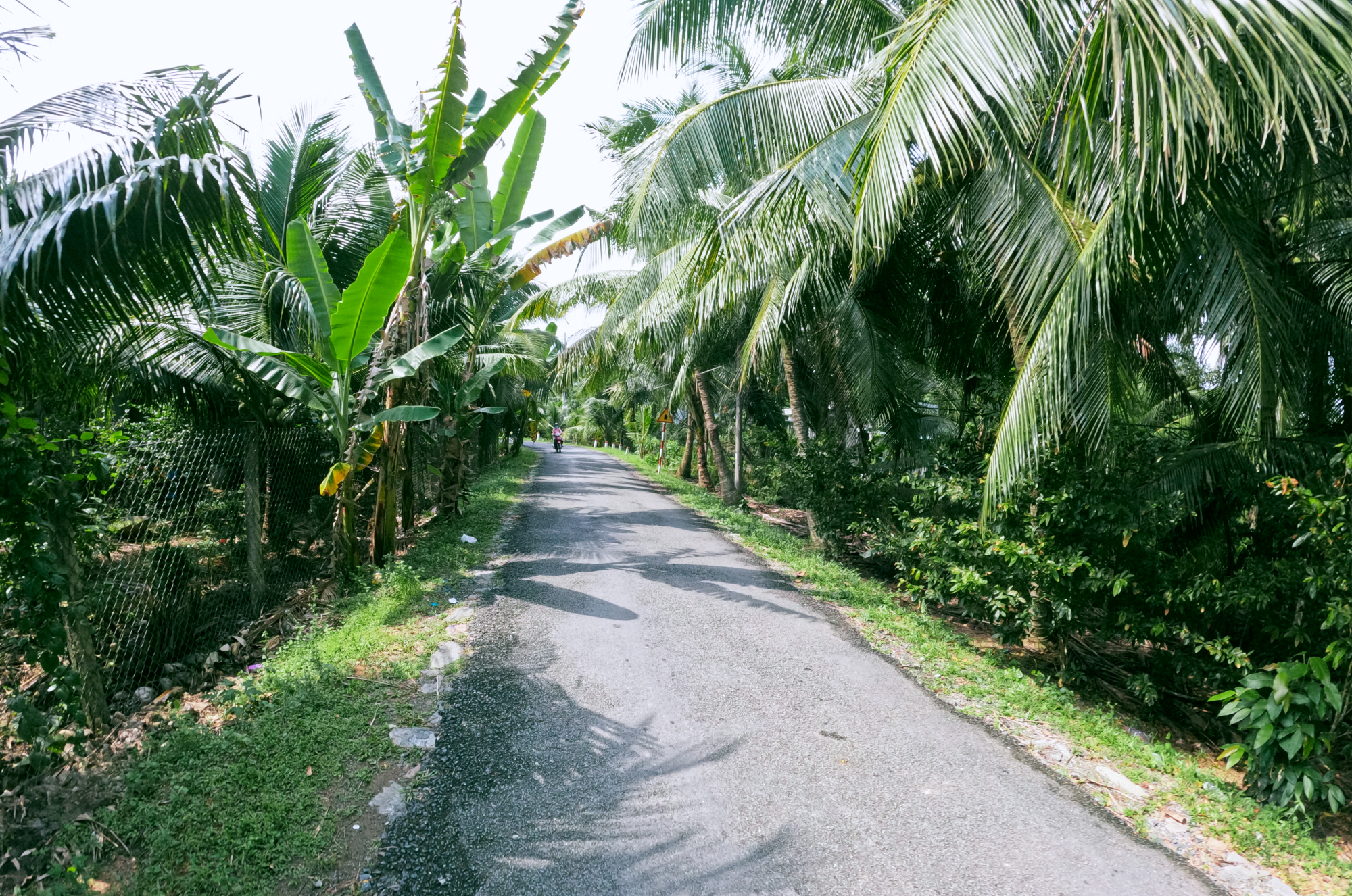
Day 8: The Mekong Delta or Cu Chi Tunnels
Take a day trip outside the city to explore rural southern life or deep military history.
Option A: The Mekong Delta. Avoid generic, hyper-commercial bus tours. Look for small-group or private tours that take you away from crowded gift shops and onto quiet canals, family orchards, and local craft workshops via small boats.
Option B: The Cu Chi Tunnels. Perfect for history buffs. This vast underground network used by Viet Cong soldiers offers a firsthand look at guerrilla warfare tactics and life during the war.
Both options give great context, so choose whichever fits your personal travel style best.
Day 9: Ho Chi Minh City — Neighborhoods & Street Food
Keep your last full day flexible. Saigon isn't a city that needs to be rushed with a rigid checklist; its magic is found in its neighborhood coffee shops, alleyway markets, and food stalls.
Consider exploring Cholon (Chinatown) and Binh Tay Market, visiting the atmospheric Jade Emperor Pagoda, or taking an evening street food tour on the back of a motor scooter. Don't leave without trying com tam (broken rice with grilled pork chops) or hu tieu (noodle soup).
If you’ve hit all the big historic sites, spend the afternoon relaxing at an air-conditioned rooftop bar or trendy café. A good 10-day itinerary always leaves room to breathe.
A Quick Travel Note: If you didn't make it to the Cu Chi Tunnels or the Mekong Delta on Day 8, today is a great flex day to catch up. A half-day morning tour to Cu Chi fits easily into the schedule before an afternoon flight or relaxed evening in Saigon.
Days 10: Wrapping Up & Flying Home
Keep your morning effortless with a slow breakfast and a final Vietnamese coffee before catching your ride to the airport.
Not necessarily! Because the ideal route depends on what you love most.
For hikers & mountain scenery: Swap Hoi An for Sapa or the dramatic Ha Giang Loop in the north, or an off-the-beath-track to explore the majestic nature and authentic culture in Ba Be National Park and Ban Gioc Waterfall route.
For beach lovers: Add a few days on Phu Quoc Island or An Bang Beach.
For history enthusiasts: Save South Vietnam for your next trip, and add a stop in Hue, the former imperial capital.
The biggest mistake first-time travelers make is trying to squeeze Hanoi, Ha Long Bay, Ninh Binh, Hue, Hoi An, Ho Chi Minh City, the Mekong Delta, and Phu Quoc into ten days. On paper, it looks possible; in reality, you'll spend half your vacation dragging luggage through airports and checking into hotels. Vietnam rewards travelers who slow down just a bit.
Weather Varies Wildly: The north can get surprisingly chilly and foggy in winter (December–February), while the south stays warm and tropical year-round. Pack layers if visiting multiple regions.
Don't Fear Domestic Flights: They are cheap, quick, and save you dozens of hours compared to long overland bus routes.
Factor in Traffic: A journey that looks like 15 miles on Google Maps can easily take an hour by car in major cities like Hanoi or Saigon.
Stay Central: Pick boutique hotels in walking distance to the historic centers (District 1 in Saigon, the Old Quarter in Hanoi, and Old Town in Hoi An) to cut down on taxi time.
Leave Room for Spontaneity: Some of the best memories in Vietnam come from pulling up a plastic chair at a roadside stall, getting lost down a quiet alley, or chatting with a local barista. You won't see everything in 10 days—and that's just fine. It just gives you a reason to start planning trip number two.


